How to Improve Your Preschooler's Attention Span for Reading
Discover gentle, practical ways to improve preschooler attention span reading time, so your child can focus, enjoy books, and build skills at their own pace.
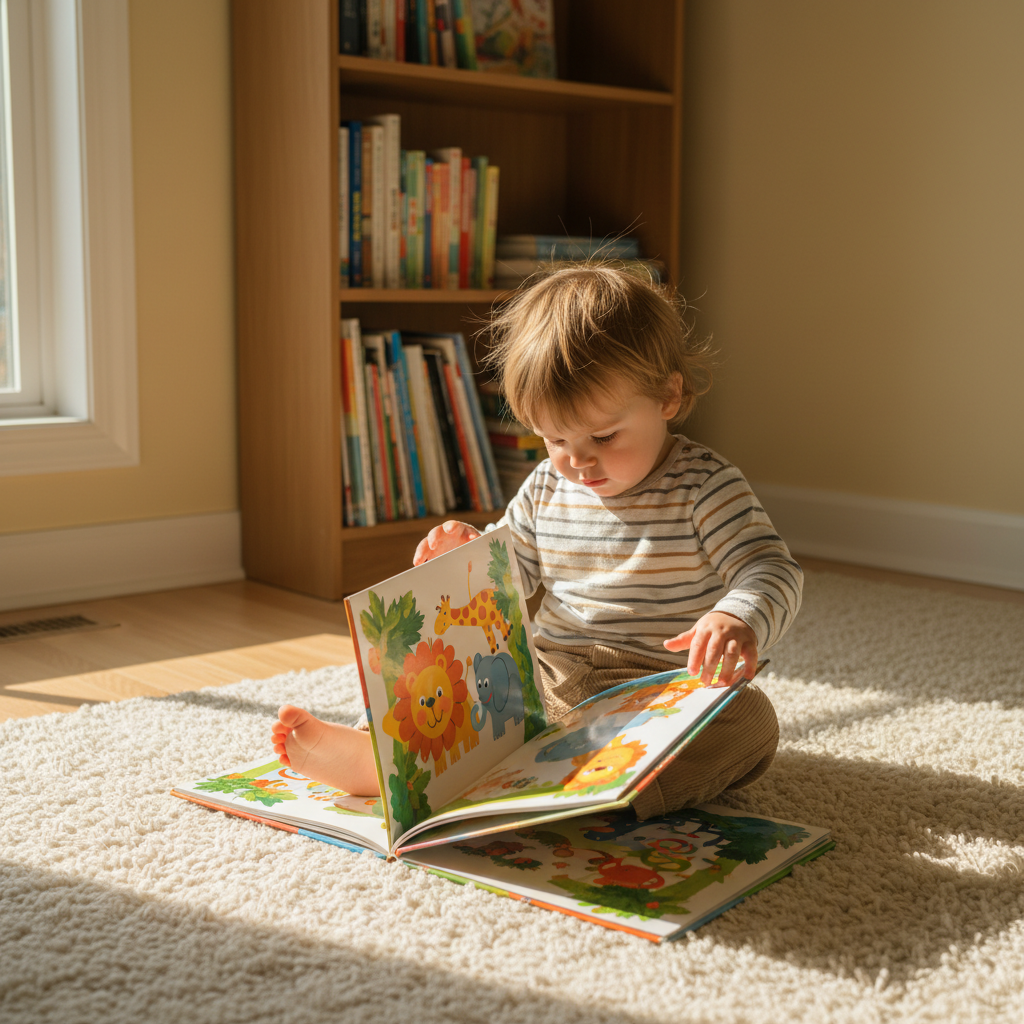
If storytime at your house often ends with wiggles, wandering eyes, or a sudden urge to run off and play, you're not alone. Many parents wonder how to improve preschooler attention span reading sessions without turning it into a battle. The good news is that attention span isn't something children are simply born with or without — it's a skill that grows gradually, through gentle repetition, patience, and the right setup. This article shares practical, low-pressure ways to help your little one focus a bit longer during reading time, at their own pace.
1. Start with Short, Realistic Sessions
Preschoolers naturally have shorter attention spans than older children, and that's completely normal. Instead of aiming for a 20-minute story, start with just five minutes of focused reading and gradually extend the time as your child grows more comfortable. Short, successful sessions build confidence and positive associations with books, which matters far more than the clock.
If your child gets restless, it's okay to pause and return later rather than pushing through. The goal is steady, comfortable progress, not a fixed timeline.
2. Create a Calm, Predictable Reading Space
A consistent reading spot — a cozy corner, a favorite cushion, or a special chair — can signal to your child that it's time to settle in and focus. Try to keep this space free from toys, screens, and other distractions that might pull their attention away mid-story.
Having a predictable routine, such as reading after bath time or before nap, also helps children mentally prepare for quiet, focused activity rather than feeling it's sprung on them unexpectedly.
3. Choose Books That Match Their Interests
Children naturally pay more attention to things they care about. If your preschooler loves animals, trucks, or a particular color, look for books built around those themes. Interactive books with flaps, textures, or simple questions can also keep curious hands and minds engaged a little longer.
Rotating books regularly keeps things fresh, but it's also fine to let your child revisit the same favorite story again and again — repetition is comforting and supports early literacy in a natural way.
4. Involve Them Actively in the Story
Rather than simply reading aloud, invite your child to participate. Ask them to point to pictures, guess what happens next, or repeat simple phrases. This turns reading into an interactive experience rather than a passive one, which often holds a young child's focus longer.
You might also pause occasionally and ask, "What do you think this animal is feeling?" or "Can you find the cat on this page?" These small moments of engagement give your child a sense of involvement and ownership over the story.
5. Use Structured, Step-by-Step Approaches
Introducing reading as a gentle, structured activity — rather than something expected to happen instantly — can make a meaningful difference. Programs designed specifically for early readers often break skills into small, manageable steps, which can feel less overwhelming for both parent and child. For families looking for a guided approach, the Children Learning Reading program offers a structured, at-your-child's-pace method to building early reading skills alongside attention and focus.
6. Model Calm Focus Yourself
Children often mirror the energy of the adults around them. If you approach reading time calmly, without rushing or multitasking, your child is more likely to settle into that same rhythm. Put your phone aside, slow your voice down, and give the moment your full presence.
This doesn't mean every session will go smoothly — some days will be harder than others, and that's completely normal for this age group.
7. Celebrate Small Wins, Not Comparisons
Every child develops focus and reading interest differently, and there's no single timeline to expect. Instead of measuring progress against anyone else, notice your own child's small improvements — sitting a little longer, pointing to a picture unprompted, or asking for a story again the next day.
Gentle encouragement, like a smile or a simple "I loved reading with you," reinforces that reading time is a warm, positive part of their day rather than a performance to get right.
Final Thoughts
Improving your preschooler's attention span for reading is less about quick fixes and more about consistent, warm, low-pressure practice. With a calm space, engaging books, and a structured approach like the Home Learning Pack, you can nurture focus and a genuine love of reading that grows steadily over time, at exactly the pace that's right for your child.